
Endodontic Retreatment in Allentown, PA
When a previous root canal treatment does not heal properly or symptoms return months or even years later, endodontic retreatment may help save your natural tooth. At Endodontic Excellence of PA in Allentown, PA, our experienced endodontists use advanced diagnostics, microsurgical techniques, and compassionate care to treat persistent infections and restore long-term oral health.
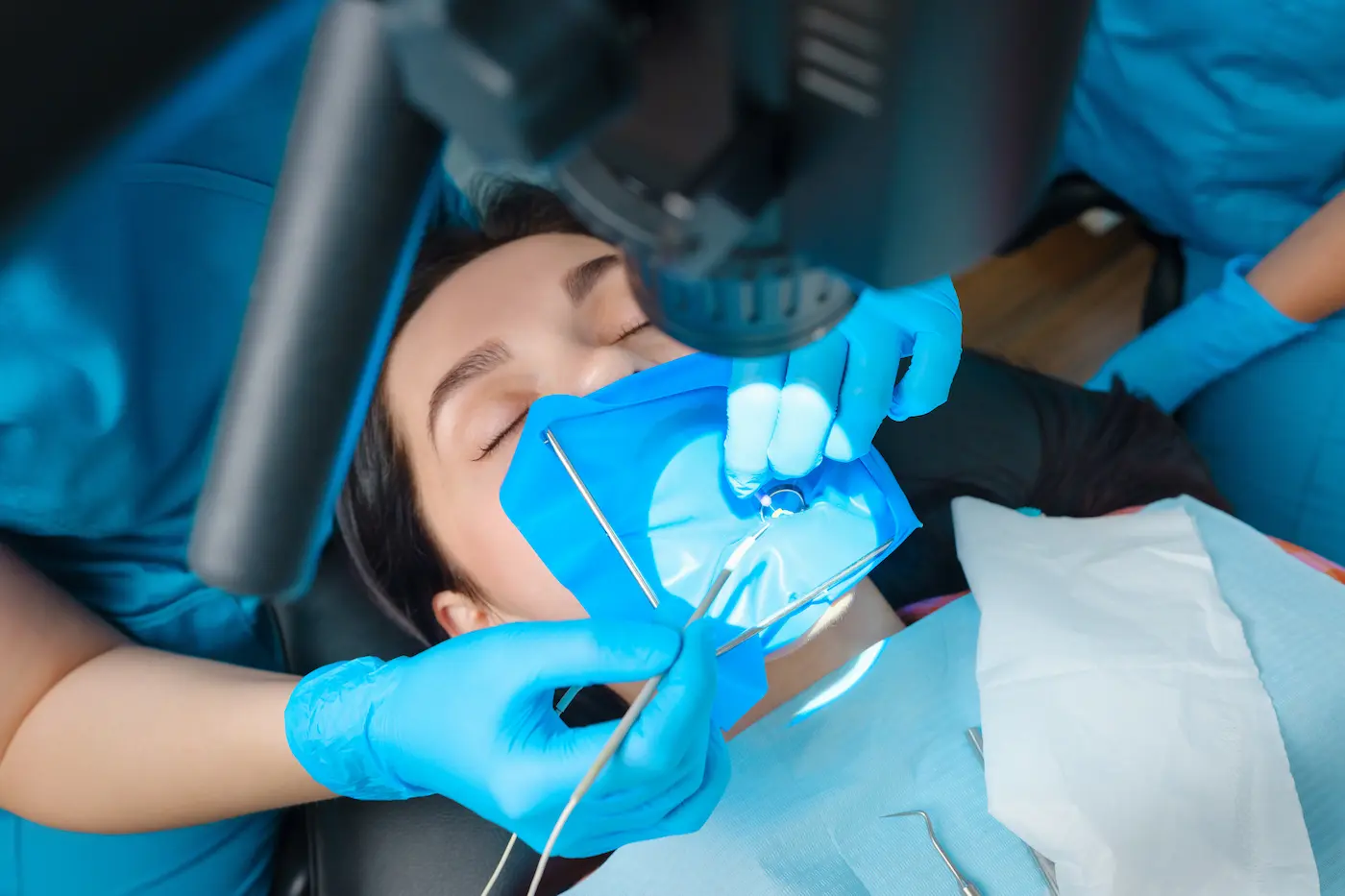
What Is Endodontic Retreatment?
Endodontic retreatment is a procedure performed when a tooth that previously received root canal therapy develops new infection, inflammation, or persistent symptoms. During retreatment, the original filling materials are removed, the canals are carefully disinfected again, and the tooth is resealed to encourage proper healing.
Although root canal therapy has a very high success rate, some teeth may not heal as expected due to hidden anatomy, delayed crown placement, new decay, fractures, or recurrent infection. Endodontic retreatment provides a second opportunity to preserve the natural tooth instead of removing it.
At Endodontic Excellence of PA, retreatment procedures are performed using advanced imaging and magnification to improve precision and treatment outcomes.
Signs You May Need Endodontic Retreatment
You may benefit from retreatment if you experience:
- Persistent tooth pain after a root canal
- Sensitivity to pressure or temperature
- Swelling or tenderness around the tooth
- Gum pimples or recurring drainage
- Darkening or discoloration of the tooth
- Infection visible on dental X-rays
- A cracked or leaking dental crown
- Symptoms that return years after treatment
Some failed root canals may not produce symptoms immediately. Routine dental evaluations can help detect hidden issues before they worsen.
Why Root Canals Sometimes Fail
Several factors can contribute to unsuccessful healing after root canal therapy, including:
- Complex or narrow canal anatomy that was difficult to clean initially
- Missed canals during prior treatment
- Delayed restoration placement
- New decay exposing the root canal filling
- Cracks or fractures in the tooth
- Breakdown of a crown or filling
- Bacterial reinfection
Our specialists use high-resolution 3D imaging available through our advanced technology services to identify underlying issues that may not appear on traditional dental X-rays.
Benefits of Endodontic Retreatment
Choosing retreatment may offer several important advantages:
- Preserves your natural tooth
- Eliminates persistent infection
- Reduces pain and inflammation
- Restores chewing comfort
- Helps prevent tooth extraction
- Protects surrounding teeth and bone
- Improves long-term oral health
Whenever possible, saving the natural tooth is often the most conservative and functional option for patients.
The Endodontic Retreatment Process
Comprehensive Evaluation
Your visit begins with a detailed examination, digital imaging, and review of your symptoms and previous dental history. Our team evaluates whether retreatment is the most appropriate solution.
Accessing the Tooth
The existing crown or restoration may be removed to access the root canal system. Previous filling materials are carefully removed.
Cleaning and Disinfection
Using specialized instruments and magnification, the canals are cleaned, reshaped, and disinfected to remove bacteria and damaged tissue.
Sealing the Canals
Once cleaned, the canals are sealed again with biocompatible filling materials designed to protect against reinfection.
Final Restoration
After retreatment, your general dentist may place a new crown or restoration to strengthen and protect the tooth.
How Long Does Endodontic Retreatment Take?
Most retreatment procedures can be completed in one or two appointments depending on the complexity of the tooth and the extent of infection. Healing may continue over several months as the surrounding tissues recover.
Patients can usually return to normal daily activities shortly after treatment.
Is Endodontic Retreatment Painful?
Modern endodontic retreatment is designed to be comfortable and minimally invasive. Local anesthesia is used during treatment, and most patients report that the procedure feels similar to receiving a standard root canal.
At Endodontic Excellence of PA, our doctors are especially known for helping anxious patients feel informed, calm, and supported throughout their care.
Cost Factors for Endodontic Retreatment
The cost of retreatment varies based on several factors, including:
- Which tooth requires treatment
- Complexity of the root canal anatomy
- Presence of infection or fracture
- Need for additional imaging
- Restoration requirements
Our office works with patients to explain treatment recommendations and financing options. CareCredit financing is available to help make treatment more manageable.
Risks and Limitations
While endodontic retreatment has a strong success rate, some limitations may apply.
Potential concerns include:
- Severe tooth fractures
- Extensive structural damage
- Persistent infection despite retreatment
- Limited remaining tooth structure
In some situations, surgical treatment such as an apicoectomy may be recommended if non-surgical retreatment alone cannot fully resolve the issue.
Who Is a Good Candidate for Endodontic Retreatment?
You may be a good candidate if:
- You want to save your natural tooth
- Your previous root canal has failed
- The tooth remains structurally restorable
- You are experiencing recurring symptoms
- There is evidence of reinfection
Adults and seniors often seek retreatment to preserve long-term oral function and avoid extraction.
Who May Not Be a Candidate?
Retreatment may not be recommended if:
- The tooth has a severe vertical fracture
- There is insufficient remaining tooth structure
- Advanced bone loss is present
- Extraction offers a more predictable outcome
Our specialists will discuss all available treatment options honestly and clearly so you can make an informed decision.
Endodontic Retreatment vs Tooth Extraction
Endodontic Retreatment
- Preserves the natural tooth
- Maintains natural chewing function
- Prevents shifting of surrounding teeth
- Often less invasive long term
Tooth Extraction
- Removes the damaged tooth entirely
- May require implants, bridges, or dentures
- Can lead to bone loss over time
- Often involves additional restorative treatment
Whenever possible, preserving the natural tooth is generally considered the preferred option.
Alternative Treatment Options
Depending on your diagnosis, alternatives may include:
- Tooth extraction
- Dental implant placement
- Endodontic microsurgery
- Observation for asymptomatic teeth
Patients with traumatic injuries or severe infection may also benefit from evaluation through our dental emergencies and trauma services.
Advanced Endodontic Care in Allentown, PA
Endodontic Excellence of PA combines advanced technology with personalized patient care to deliver exceptional treatment experiences.
Dr. Ingrid Dapkute brings extensive expertise in microsurgical endodontics, research, and advanced clinical techniques developed through her training at the University of Pennsylvania and years of specialty practice experience.
Dr. Greg Newman has performed more than 32,000 endodontic procedures over his 28-year career and is recognized for his compassionate, patient-focused approach.
Our practice utilizes modern diagnostic tools, including CBCT imaging and precision magnification, to improve diagnostic accuracy and treatment success.
Learn more about our team on our About page.
Frequently Asked Questions
How do I know if I need endodontic retreatment?
Persistent pain, swelling, sensitivity, or recurring infection after a root canal may indicate that the tooth did not heal properly. An endodontist can evaluate the tooth using advanced imaging to determine whether retreatment is necessary.
Is endodontic retreatment better than extraction?
In many cases, preserving the natural tooth through retreatment is preferred because it maintains normal chewing function and helps prevent bone loss. However, some severely damaged teeth may require extraction.
How successful is endodontic retreatment?
Many retreatment procedures are highly successful, especially when performed by experienced endodontists using modern technology and advanced imaging techniques.
How long is recovery after endodontic retreatment?
Most patients return to normal activities within a day or two. Mild tenderness may occur temporarily while the surrounding tissues heal over time.
Does retreatment cost more than a root canal?
Retreatment is often more complex than initial root canal therapy, which may affect cost. Pricing varies depending on the tooth, anatomy, and level of infection.
Can a failed root canal be fixed years later?
Yes. Some teeth develop problems years after the original treatment due to reinfection, fractures, or restoration failure. Endodontic retreatment can often address these issues successfully.
Not always. While many patients are referred by their general dentist, you can also schedule an appointment directly.
Schedule an Endodontic Retreatment Consultation
If you are experiencing persistent pain or symptoms after a previous root canal, expert retreatment may help save your tooth and restore your comfort.
Endodontic Excellence of PA provides compassionate, advanced endodontic care tailored to each patient’s needs.